January 22, 2026
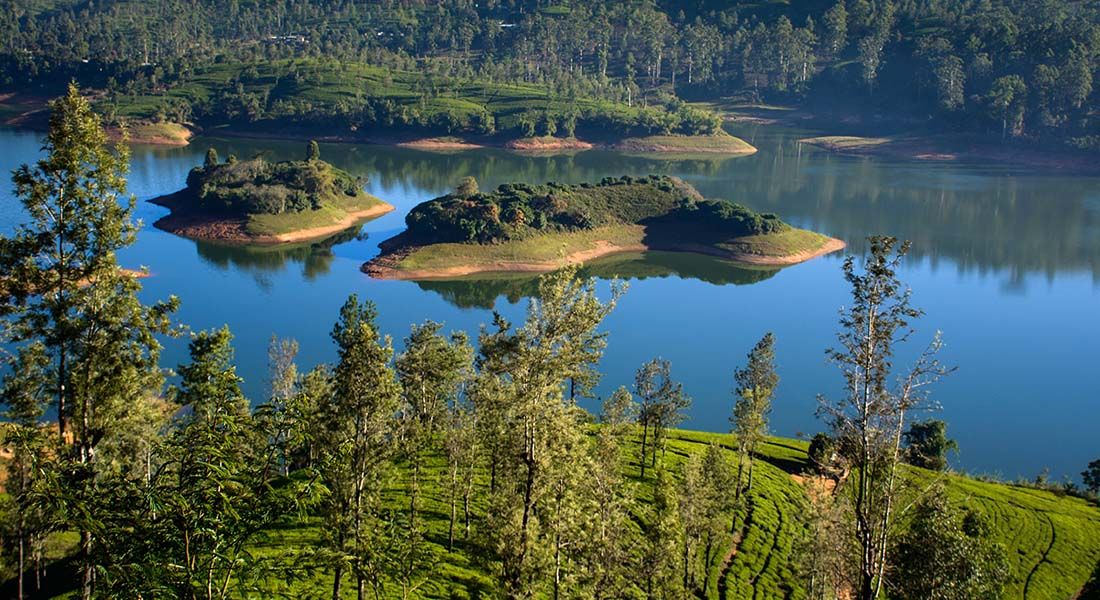
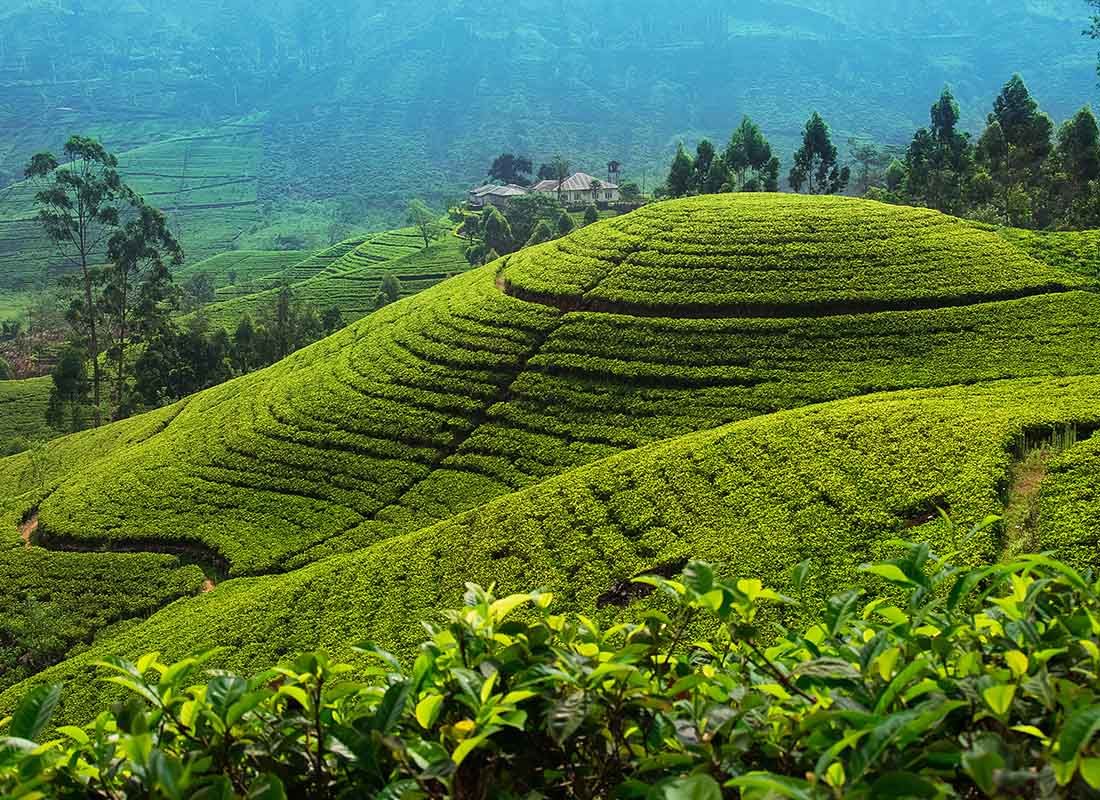
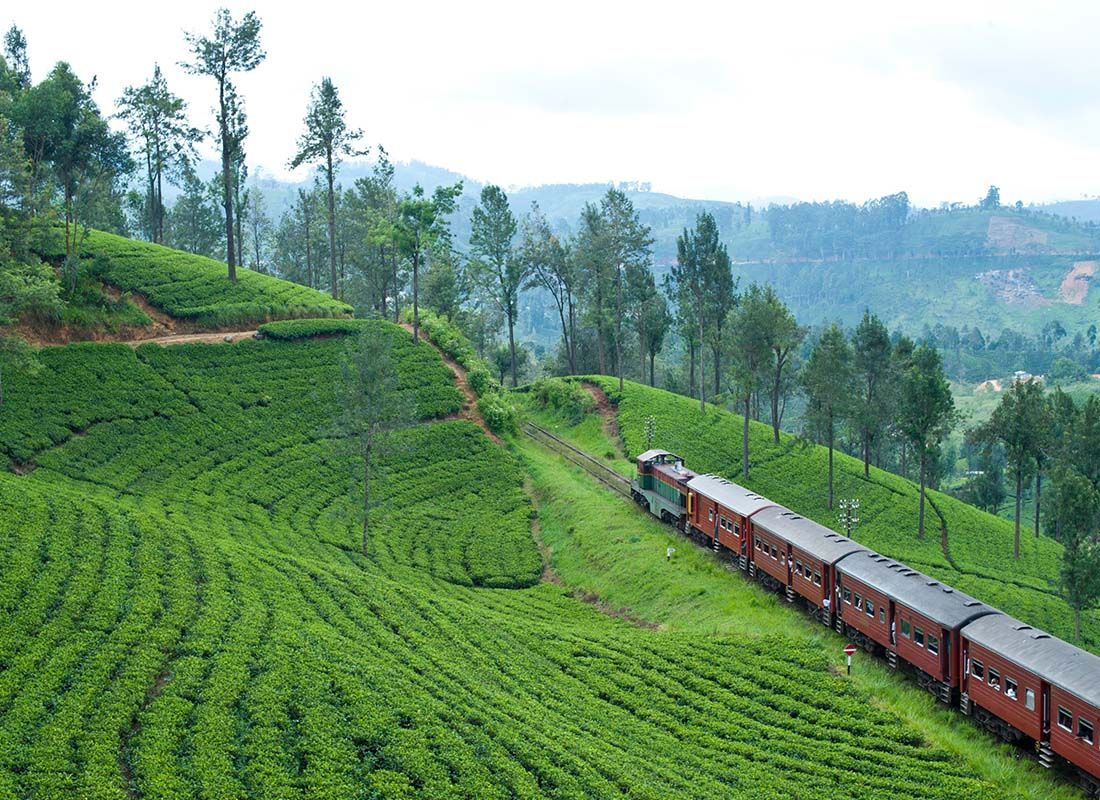
Ceylon tea is more than an export it is a legacy woven into the misty hills of Sri Lanka. Here is how you can experience that story firsthand, from heritage estates to aerial views that reveal the true scale of the tea country.
Ceylon tea began in 1867 when Scottish planter James Taylor planted the first tea seedlings near Kandy. After a leaf disease wiped out Sri Lanka’s coffee plantations, tea took root and transformed the island’s economy. Today, Ceylon tea remains one of the world’s most recognized tea brands.
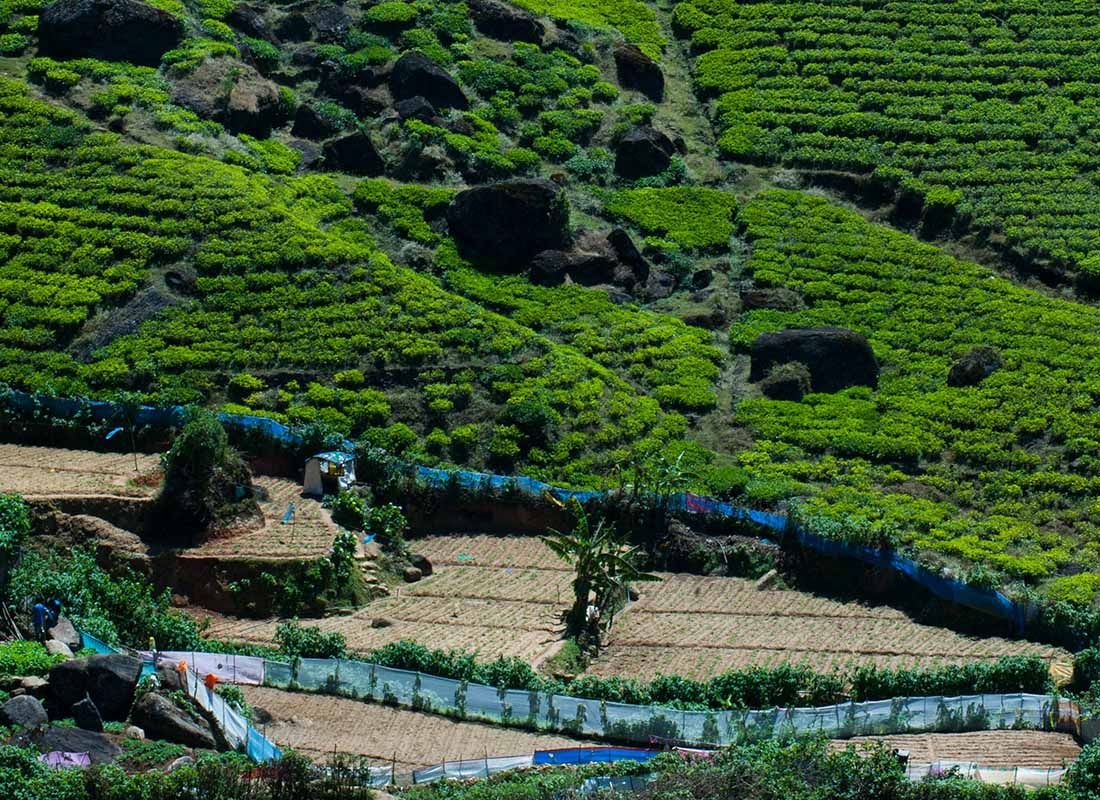
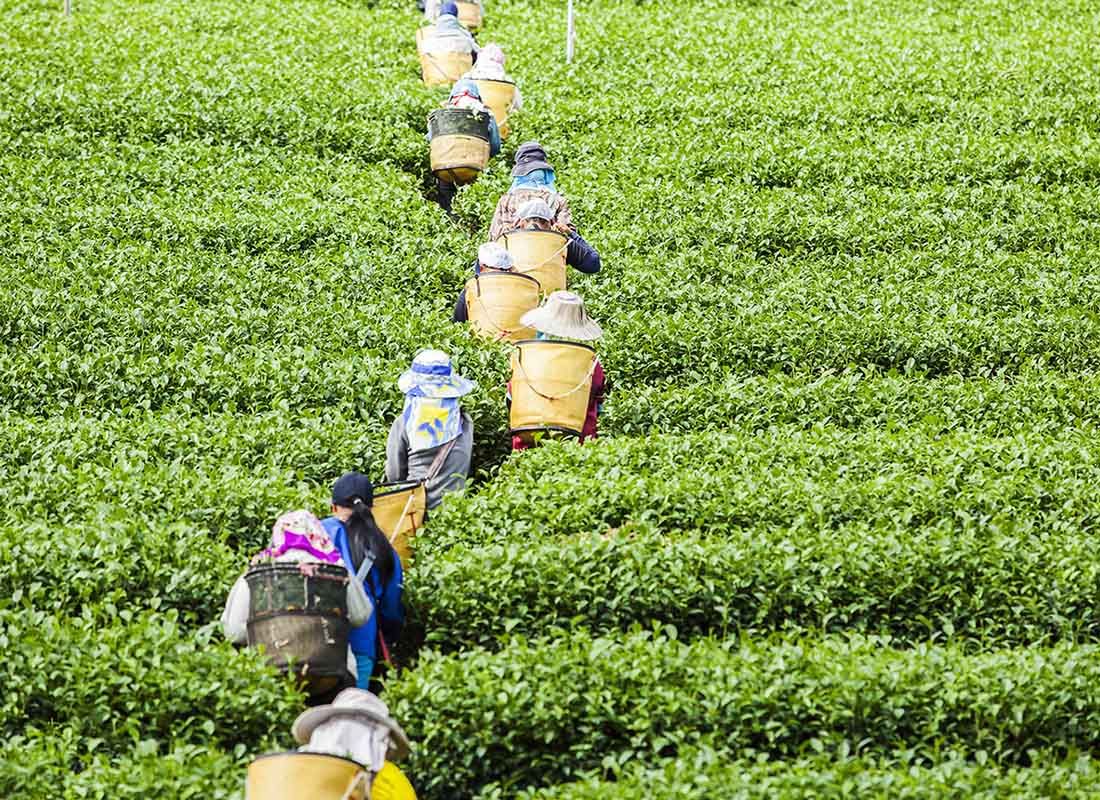
Tea plucking in Sri Lanka is still done almost entirely by hand. Skilled workers select only the top two leaves and a bud from each plant—a method called “fine plucking” that ensures quality.
What makes it special: The altitude and climate of the central highlands give Ceylon tea its distinctive flavor. High-grown teas (above 1,200 meters) are lighter and delicate, while low-grown varieties are bolder.
Once plucked, tea leaves undergo withering, rolling, oxidation, drying, and grading—a process that takes 18 to 24 hours.
Where to visit:
The geometric patterns of tea estates cascading down hillsides create a landscape best appreciated from above.
Cinnamon Air’s routes: Flights to Castlereagh (Hatton), Nuwara Eliya and Kandy offer uninterrupted aerial views of the tea country, landing directly on reservoirs surrounded by estates. What would be a 5 to 6-hour drive becomes a scenic 30-minute flight.
Book Your Tea Country Flight
Cinnamon Air operates daily flights to Castlereagh (Hatton), and Kandy landing you in the heart of Ceylon tea heritage in under 30 minutes.
For destinations like Nuwara Eliya or other personalized routes, charter options are also available, giving you the flexibility to design your journey exactly as you’d like.
ISLAND of inspiration
January 22, 2026
January 22, 2026
January 22, 2026
January 22, 2026
January 22, 2026
January 22, 2026
January 22, 2026
January 22, 2026